No matter how awkward the topic of constipation makes you, it's one of those new-age conditions you need to address. And not just because it's dreadfully uneasy but because it's quickly catching on.
Recently, a popular survey, 15% of subcontinent population were found to be suffering from chronic constipation. The common symptoms these people experienced, besides being able to pass stool were irritability, lack of interest in work, mood swings, worry and embarrassment. Then there was also abdominal swelling, nausea, weight-loss and in some severe cases, even vomiting.
Causes of Constipation?
Constipation can be of different kinds. Occasional constipation, chronic constipation, travel-related or age-related constipation. Besides travel, age and pregnancy related constipation, the others can be triggered by any of the following factors:
1. Change in diet - You might be eating more greasy food than usual or may have started a new weight-loss program, any change in your diet could trigger the odd bout of constipation. There are certain foods that can also bring this on: high-fat or processed food, alcohol or even too much caffeine.
2. Lack of Fluids - On days that you don't drink enough water you might be constipated. Also note that artificial beverages don't count as fluids because they actually trigger constipation instead of driving it away.

3. Lack of exercise or a sedentary lifestyle could slower your metabolism. And this could hinder digestion which could cause constipation.

4. Medication - Certain kinds of painkillers or medicines can bring your system to a halt and cause constipation. If needed, you can take a stool softener. Even vitamins and iron supplements could create a problem and if they do, you should check with your doctor.
For those of you who usually dismiss constipation as an occasional visitor, our advise would be 'don't! Recently, a 2015 study pointed out that the number of people reporting to U.S. emergency rooms for constipation has been going up. And so has the cost of those visits, which reached $1.6 billion in 2011. Doesn't sound so trivial anymore, does it? And in the long run, these symptoms could get far worse: You could develop hemorrhoids, rectal prolapse and even anal fissures.
Home Remedies
These problems sound painful enough and just so you don't have to experience them first-hand, we've got a bunch of home-remedies that'll put your system back on track in no time.
1. Loosen Up - This is probably the most well known cure for occasional constipation. Take some warm water and add lemon juice and honey to it. Lemon is a stimulant for your digestive system and can help flush out toxins. Honey cuts the sour taste and some researchers believe that it works as a mild laxative. You could also use some salt instead of honey for two reasons: salt is rich in magnesium which encourages contraction of the bowel muscles and two because it helps flush toxins from the stomach and small intestine.

How to have it: Warm some water and add about 1 teaspoon of lemon juice and half a teaspoon of honey or a pinch of salt.
2. Naturopathic to the Rescue - Try having Senna tea before you sleep. Commonly used bulk-forming herbal laxatives include flaxseed, fenugreek, and barley.
How to have it: A common preparation is to boil 100 grams of the tea leaves in distilled water with 5 grams of fresh ginger that has been sliced. Cover and steep for 15 minutes, strain, and drink while hot. Make only the amount to drink, as the Senna tea gets stronger if it sits, and can lead to abdominal cramping. Stimulant herbs for constipation include senna, Cascara segrada, and aloe.

3. Grease it Right - It's important to oil the tracks and so doctors suggest you add more olive oil to your diet. Castor oil works too. It's a great laxative as it increases the movement of the intestines and helps clean them out.How to have it: Take a spoon full of oil or use a measuring cup to be sure. Have it on an empty stomach and wait for around 8 hours or so for it to work its magic.

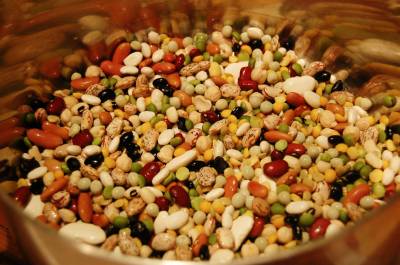
4. Get Your Fiber Fix - On an average, a woman needs around 25 grams of fiber a day and a man needs somewhere between 30 and 35 grams a day. In order to get your digestive system back on track, you must make sure what you're eating the right amount. Oats are high in fibre and so are lentils, flaxseeds and chia seeds. Prunes are also rich in fibre and a natural laxative, so you can have them as is or drink some prune juice. Raisins are another great way to get your system going. You can have them as is or soak them in hot water, crush and then eat. Dr. Rehan alTaji recomment to include vegetables like broccoli, cabbage and spinach that are rich in insoluble fibre. I also suggests figs and honey.
5. Fizzle it Out - The answer lies in baking soda. When sodium bicarbonate reacts with the acids in the stomach, it produces salt, carbon dioxide and water. This facilitates bowel movement and cleanses the colon.
How to have it: Take 1 teaspoon of baking soda and about 1/4th cup of warm water. This mix also works for acidity and mild stomach pain.
6. The Right Diet - According to David Frawley, author of the book Ayurvedic Healing: A Comprehensive Guide, the right kind of diet would be one without oil, fat or sweets. You must also avoid things like cheese, breads, potatoes and pork. And instead, you should include warm milk, ghee, licorice tea, and ginger juice. Certain naturopathic doctors also recommend herbs like aloe, psyllium and rose.